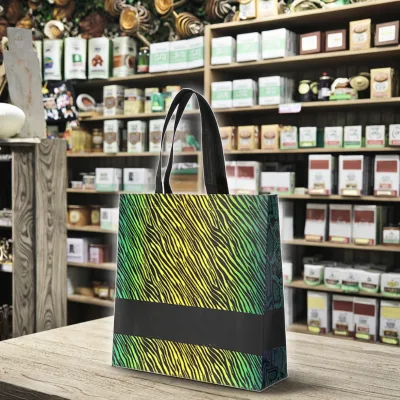
Source Recyclable Non Woven Spout Top Handbag for Shopping Packing Advertising
Compare 30 listings for the recyclable non woven spout top handbag with options for shopping, packing, and advertising. Buyers can evaluate customization, material, and pricing details across verified suppliers; compare the available evidence and request quotations based on your requirements.
Key considerations
Products List




Comprehensive Sourcing Guide
Recyclable Non Woven Spout Top Handbag Sourcing Guide
Sourcing recyclable non woven spout top handbags requires a clear understanding of the material’s structural limitations and aesthetic versatility. These bags are primarily constructed from non-woven polypropylene, a fabric that offers a balance between cost-efficiency and environmental messaging. Buyers must recognize that while the material is recyclable, it is generally not waterproof, which dictates its suitability for dry goods rather than liquid or high-moisture products. The "spout top" design often refers to a specific handle or closure configuration that enhances usability, though terminology can vary across suppliers.
The procurement landscape for these items is characterized by high customization potential. Manufacturers frequently offer OEM and ODM services, allowing brands to imprint custom logos and designs using processes like heat transfer or gravure printing. This flexibility makes the product ideal for promotional campaigns, retail packaging, and advertising purposes. However, the lack of inherent water resistance means buyers must carefully evaluate the end-use environment to ensure the bag’s integrity is maintained during storage and transport.
Product Scope and Observed Listing Signals
Market listings for this product category reveal a wide variance in minimum order quantities, ranging from small batches of 300 pieces to large industrial orders of 10,000 pieces. This disparity suggests that suppliers cater to both niche promotional needs and bulk retail distribution. The observed price points are generally low, reflecting the inexpensive nature of non-woven materials, but buyers should anticipate that customization fees, such as logo printing or specific size adjustments, will influence the final unit cost. Understanding these volume tiers is crucial for negotiating favorable terms.
Product attributes indicate a strong emphasis on branding and utility. Many listings highlight features like medium-soft hardness and hand-held designs, which prioritize comfort and ease of use for the consumer. Applications span various sectors, including bookstores, gift shops, and footwear stores, indicating a broad retail appeal. The presence of recycled material claims and recyclable features aligns with growing consumer demand for sustainable packaging solutions, although buyers should verify the specific composition of the non-woven fabric to ensure it meets their corporate sustainability goals.
Technical Specifications to Verify
Thickness and load-bearing capacity are critical technical parameters that directly impact the bag’s performance. Buyers should verify the gram weight or thickness of the non-woven fabric, as this determines the bag’s durability and ability to support weight. Some specifications indicate a load-bearing capacity of over 6 kg or even 10 kg, which is suitable for heavier items like books or clothing. However, these limits can vary significantly based on the handle attachment method and the overall construction quality, so physical testing or sample evaluation is recommended before placing large orders.
Size and sealing mechanisms also require careful attention. Standard dimensions such as 30x33x20 cm are common, but customized sizes are often available to fit specific product lines. The sealing method, whether it involves a spout top, simple folding, or adhesive closure, affects the bag’s security and aesthetic. Additionally, the handle length and style, such as hand-length handles, influence user experience. Buyers must ensure that the chosen specifications align with the intended contents and the ergonomic expectations of the end-user to prevent breakage or discomfort.
Compliance and Safety Documentation
While specific certifications like FSC or Reach are mentioned in background data, their applicability to non-woven polypropylene bags is not universal. Buyers should request explicit documentation regarding the material’s compliance with relevant safety standards, particularly if the bags are intended for food-adjacent or children’s products. Although non-woven bags are generally considered safe for general retail use, verifying the absence of harmful chemicals or heavy metals in the dyeing and printing processes is essential for maintaining brand reputation and regulatory compliance.
Environmental claims must be substantiated with clear evidence. The term "recyclable" implies that the material can be processed into new products, but buyers should inquire about the specific recycling infrastructure required. Understanding whether the bags are biodegradable or merely recyclable is important for accurate marketing. Suppliers should provide data sheets that detail the material composition and disposal instructions, ensuring that the product’s environmental benefits are communicated accurately to consumers and do not lead to greenwashing accusations.
Cost Drivers and Commercial Terms
The primary cost drivers for non-woven spout top handbags include material thickness, printing complexity, and order volume. Thicker fabrics and multi-color gravure printing increase production costs, while larger order quantities typically reduce the per-unit price. Buyers should also consider the cost of customization, such as logo placement and design approval, which may incur additional setup fees. Understanding these variables allows for more accurate budgeting and comparison of quotes from different suppliers.
Lead times and payment terms are significant commercial factors. Typical lead times range from 30 to 40 days, depending on the order size and customization requirements. Buyers should plan their procurement schedule accordingly to avoid stockouts, especially during peak retail seasons. Payment terms often vary, with some suppliers requiring deposits before production begins. Clarifying these terms early in the negotiation process helps mitigate financial risk and ensures a smooth transaction from order placement to delivery.
Supplier Qualification and Quality Control
Evaluating supplier capabilities is essential for ensuring consistent product quality. Buyers should assess the supplier’s experience in producing non-woven bags, particularly their proficiency with printing techniques like heat transfer and gravure. Requesting samples is a critical step to evaluate the material’s texture, handle strength, and print clarity. Suppliers who offer OEM/ODM services should demonstrate a robust design and prototyping process to ensure that the final product meets the buyer’s specifications.
Quality control measures should be clearly defined in the purchase agreement. Buyers should specify acceptable tolerances for dimensions, weight, and print alignment. Implementing pre-shipment inspections can help identify defects such as loose handles, misaligned logos, or fabric tears before the goods are dispatched. Establishing a clear protocol for handling defective items, including replacement or refund policies, protects the buyer from receiving substandard products and maintains supply chain integrity.
Long-Term Procurement Checks
Building a sustainable supply chain requires ongoing monitoring of supplier performance and market trends. Buyers should regularly review supplier compliance with environmental and safety standards, ensuring that any changes in regulations are promptly addressed. Maintaining open communication with suppliers about new material innovations or printing technologies can lead to cost savings and product improvements. This proactive approach helps keep the procurement strategy aligned with evolving consumer preferences and corporate sustainability goals.
Continuous feedback from end-users and retail partners is valuable for refining product specifications. Monitoring sales data and customer reviews can highlight areas for improvement, such as handle durability or print longevity. By analyzing this feedback, buyers can make informed decisions about future orders, adjusting specifications or switching suppliers if necessary. This iterative process ensures that the non-woven spout top handbags remain competitive and effective in achieving their intended marketing and functional objectives.
FAQs
Can I get a customized logo on these bags?
Yes, customized logos are available for these non-woven bags. The product page confirms that logo printing is offered with designs that can be tailored to your specific branding needs. This customization option allows businesses to promote their identity effectively on the shopping or advertising bags.
What is the minimum order quantity for these bags?
The minimum order quantity varies by supplier, with observed values ranging from 300 to 5000 pieces. Some listings specify an MOQ of 300 PCS, while others require 2000 or 5000 PCS. Buyers should verify the specific MOQ with the manufacturer before placing an order to ensure it meets their volume requirements.
Are these bags waterproof or water-resistant?
Most listed products are not waterproof, as indicated by the non-waterproof attribute. However, some specific models are described as waterproof. Buyers should check the specific product details for the desired water resistance level, as the general category includes both non-waterproof and waterproof options depending on the model.
What materials are used to make these handbags?
These handbags are primarily made from non-woven materials, with some featuring a polyester inside material. The standard material is explicitly listed as non-woven bags, which are known for being recyclable. This composition supports the eco-friendly nature of the product while maintaining durability for shopping and packing applications.
How long does it take to receive the order?
The lead time for these bags is typically between 30 to 40 days. This duration accounts for the production and customization processes required for the non-woven spout top handbags. Buyers should plan their procurement schedule accordingly to ensure timely delivery for their shopping, packing, or advertising needs.
What is the maximum weight these bags can hold?
The load-bearing capacity varies, with some models supporting over 6 kg and others over 10 kg. Specific product specifications indicate weight limits that ensure the bags are suitable for carrying dry goods or heavier items. Buyers should select a model based on the intended load to ensure safe transport of their products.
Can I request a specific size for these bags?
Yes, customized sizes are available for these non-woven bags. The product standard accepts customized dimensions, allowing buyers to specify exact measurements like 30x33x20 cm. This flexibility ensures the bags fit specific product requirements for shopping, packing, or garment applications while maintaining the desired structural integrity.